
 AccuSourceHR, Inc.
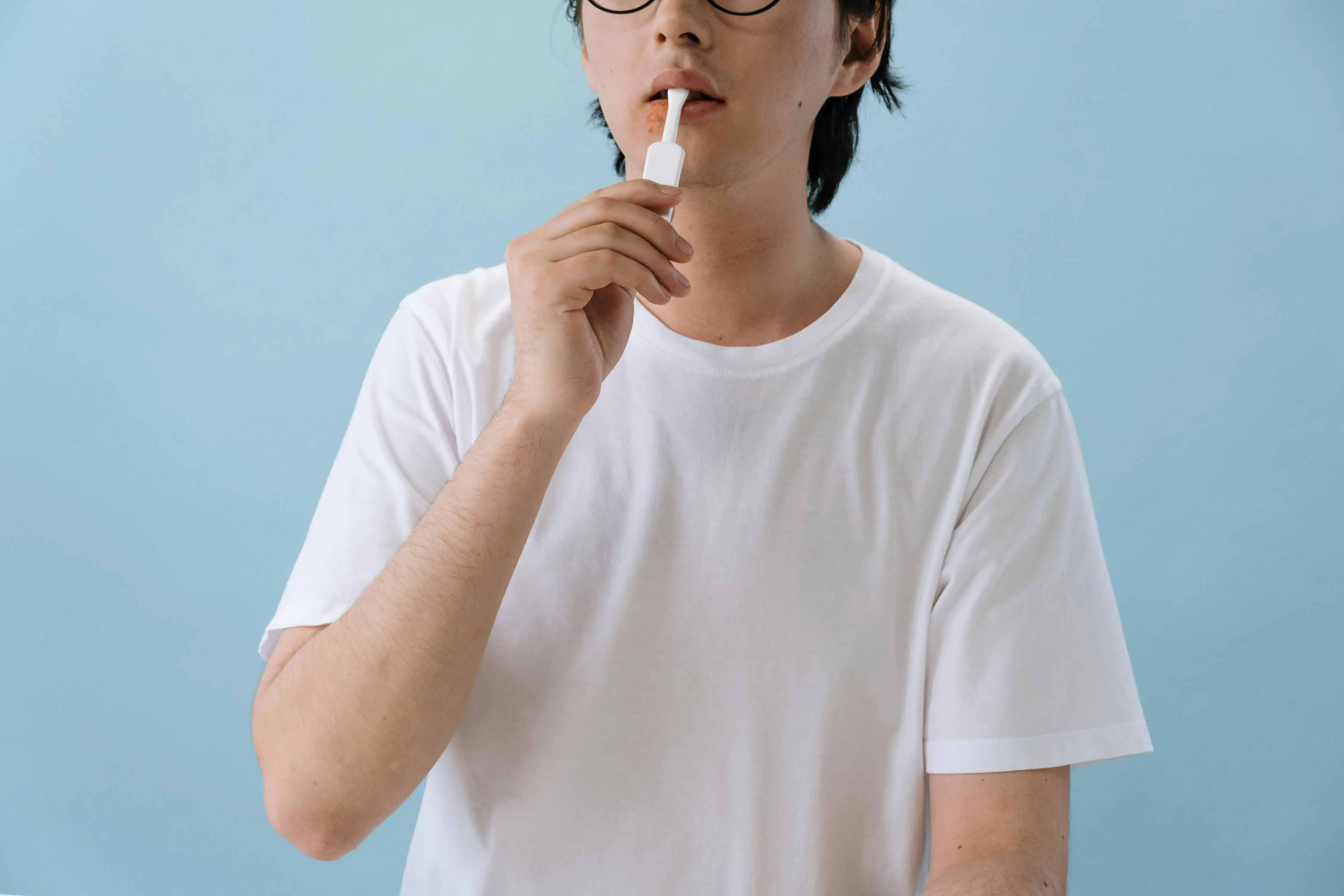
Picture this: it's a Monday morning, and your hiring manager calls to say your new hire for a safety-sensitive role showed up to orientation smelling like marijuana. You need answers fast. Can you test on the spot? How reliable will the results be? And what are your legal obligations before, during, and after the test? If you've ever found yourself scrambling to answer these questions, you're not alone. The mouth swab drug test has become one of the fastest-growing tools in workplace drug testing precisely because it addresses scenarios like this one, but only when employers understand how it works, what it can and can't detect, and how to build a compliant program around it.
Disclaimer: This content is provided for informational purposes only and should not be construed as legal advice. Employers should consult qualified counsel for their specific situation.
Key Takeaways
- A mouth swab drug test, also called an oral fluid drug test, collects a saliva sample to screen for recent substance use, typically within a window of a few hours to roughly 48 hours, depending on the substance.
- Oral fluid testing is gaining traction among employers because it's observed, difficult to adulterate, and can be administered on-site without the need for a restroom or collection facility.
- Detection windows are shorter than urine testing, making oral fluid ideal for reasonable-suspicion and post-accident scenarios where recency of use matters most.
- Accuracy rates for properly administered oral fluid tests are high, but factors such as food intake, hydration, and collection technique can influence results.
- Employers must still follow Federal Trade Commission (FTC) Fair Credit Reporting Act (FCRA) requirements for drug testing, state-specific drug testing statutes, and any applicable DOT regulations when using oral fluid tests as part of a background screening or employment decision.
Did You Know: Oral fluid tests can detect drug use within a few hours to approximately two days after use, making them one of the most effective tools for identifying very recent impairment-related substance use.
Understanding Mouth Swab Drug Tests
Oral fluid drug testing has moved from a niche option to a mainstream workplace screening method over the past several years. Much of that shift accelerated after the Department of Transportation guidelines on oral fluid testing signaled to the broader employer community that the science behind saliva-based testing had matured enough to stand alongside urine as a defensible, reliable method.
For HR professionals, the appeal is practical. Unlike urine collection, which requires a controlled restroom environment and raises privacy concerns for candidates, an oral fluid test is observed directly. The collector watches the donor place a swab between the lower cheek and the gum, and the sample is collected in plain view. That direct observation makes it extremely difficult for a donor to substitute or tamper with the specimen, which is a persistent headache with urine-based programs.
How Does a Mouth Swab Drug Test Work?
The mechanics are straightforward. A trained collector hands the donor a small absorbent pad attached to a stick, similar in size to a large cotton swab. The donor places the pad between the cheek and gum line and holds it there for two to five minutes, depending on the device manufacturer's instructions. The pad absorbs saliva along with any drug metabolites or parent compounds present in the oral fluid.
Once the pad is saturated, the collector places it into a sealed collection vial. From there, the specimen follows one of two paths. A point-of-collection test, sometimes called a rapid or instant test, can produce a preliminary screening result within minutes. If a more definitive answer is needed, or if the initial screen is non-negative, the sealed vial is sent to a certified laboratory for confirmation testing using methods like liquid chromatography-tandem mass spectrometry.
Pro-Tip: When selecting an oral fluid test panel, make sure it aligns with your organization's specific policy needs. A standard five-panel oral fluid test covers the same substance categories as a standard urine five-panel, but expanded panels are available if your industry or risk profile demands broader coverage.
What Does a Mouth Swab Drug Test Test For?
The substances detected mirror those found on standard urine panels, though the specific metabolites measured may differ. A typical five-panel oral fluid test screens for:
- Marijuana (THC): Detects delta-9-THC, the parent compound, rather than the THC-COOH metabolite measured in urine. This distinction matters because the parent compound indicates more recent use.
- Cocaine: Screens for cocaine and its metabolite benzoylecgonine.
- Opiates: Detects codeine, morphine, and in expanded panels, oxycodone, hydrocodone, and other semi-synthetic opioids.
- Amphetamines: Covers amphetamine, methamphetamine, and in expanded panels, MDMA (ecstasy).
- Phencyclidine (PCP): Screens for PCP use.
Expanded panels can add benzodiazepines, barbiturates, methadone, and other substance classes. The flexibility to customize panels is one reason employers across industries, from transportation to healthcare to retail, have adopted oral fluid testing. What an oral fluid test detects ultimately depends on the panel your organization selects and the requirements of any applicable regulations.
Detection Times for Oral Fluid Drug Tests
Detection time is where oral fluid testing truly differentiates itself from urine and hair testing. This method is designed to capture recent use, not historical patterns. For employers concerned about whether an employee used a substance shortly before or during a shift, that recency is the entire point.
The general detection window for most substances in oral fluid ranges from approximately five to 48 hours after use. Compare that to urine testing, where some substances can be detected for days or even weeks, and you can see why oral fluid fills a different role in a comprehensive testing program.
How Far Back Will a Mouth Swab Drug Test Go?
This is one of the most common questions HR teams ask, and the answer depends on the substance in question. Here are general detection time ranges based on published research and manufacturer data. Keep in mind that individual results can vary.
- THC (Marijuana): Approximately 24 to 48 hours for occasional users. Chronic, heavy users may test positive for a somewhat longer window, but oral fluid is still far shorter than urine for THC detection. Because the test targets delta-9-THC rather than the stored metabolite, it reflects recent consumption more accurately.
- Cocaine: Typically detectable for 24 to 48 hours after use.
- Opiates (codeine, morphine, heroin): Generally detectable within a window of 24 to 36 hours.
- Amphetamines and Methamphetamine: Approximately 24 to 50 hours, depending on dose and individual factors.
- Phencyclidine (PCP): Can be detected for up to 72 hours in some cases.
- Benzodiazepines (on expanded panels): Detection is more variable, often ranging from a few hours to several days, depending on the specific compound and whether use was single-dose or chronic.
The Nuance: The shorter detection window of oral fluid is a feature, not a limitation. If your goal is to determine whether an employee was potentially impaired at or near the time of a workplace incident, oral fluid is better suited to that question than a urine test that might reflect use from a week ago.
The Impact: For employers in states with marijuana protections for off-duty use, the shorter detection window of oral fluid testing may actually help reduce legal exposure. Testing for very recent THC use is more defensible than flagging metabolites from lawful weekend consumption, though employers should always consult counsel on their state's specific requirements.
Accuracy of Oral Fluid Drug Tests
Accuracy is a non-negotiable concern for any employer running a drug testing program. A false positive can derail a qualified candidate's career and expose your organization to legal liability. A false negative can leave a safety risk unaddressed.
The data is encouraging. Laboratory-based oral fluid confirmation testing using mass spectrometry techniques achieves accuracy comparable to urine confirmation, which has long been considered the standard.
That said, no testing method is perfect, and oral fluid has its own set of variables that HR professionals need to understand.
Factors Affecting Test Accuracy
Several factors can influence whether an oral fluid test produces a reliable result:
- Collection technique: If the swab is not held in place long enough, or if insufficient saliva is collected, the specimen may be reported as an insufficient quantity. Proper collector training is essential.
- Observation period: Most manufacturers and testing protocols require that the donor not eat, drink, smoke, or place anything in their mouth for at least 10 to 15 minutes before collection. Failing to enforce this waiting period can compromise results.
- Dry mouth conditions: Donors taking certain medications, those who are dehydrated, or individuals who are nervous may produce less saliva, making collection more difficult. Some collection devices include a buffer solution to help with this.
- Environmental contamination: In rare cases, passive exposure to substances like marijuana smoke in an enclosed space could theoretically affect results, though confirmation testing is designed to distinguish between passive exposure and active use.
Impact of Diet and Hydration
What a donor eats or drinks before an oral fluid test can affect the sample. Acidic foods, mouthwash containing alcohol, and even recent water consumption can alter the pH or dilution of the oral fluid sample. This is why the standard pre-collection observation period is so important. Employers should instruct donors to refrain from eating, drinking, or using tobacco products for at least 10 to 15 minutes before the swab is administered.
Pro-Tip: Build the observation period into your collection protocol documentation and train your collectors to enforce it consistently. A well-documented observation period strengthens the defensibility of your results if they are ever challenged.
Can You Cheat an Oral Fluid Drug Test?
This question comes up frequently in online searches, and it's worth addressing directly from an employer's perspective. Various internet sources suggest that vigorously brushing teeth, using hydrogen peroxide rinses, or drinking large amounts of water before a test can produce a negative result. The reality is that these tactics are unreliable at best and are largely ineffective against properly administered tests with laboratory confirmation.
The observed nature of oral fluid collection is one of its strongest anti-adulteration features. Unlike urine testing, where a donor has privacy during collection, the oral fluid test happens in full view of the collector. There is no opportunity to substitute a sample or add an adulterant. Combined with the pre-collection observation period that prohibits eating, drinking, or rinsing, oral fluid testing is one of the most tamper-resistant methods available.
For HR professionals, this means you can have greater confidence in the integrity of your oral fluid results compared to unobserved urine collections.
Employer Use Cases for Oral Fluid Testing
Not every testing scenario calls for the same method. Understanding where oral fluid testing excels helps you deploy it strategically within your broader drug testing program.
Situations Ideal for Mouth Swab Testing
- Reasonable-suspicion testing: When a supervisor observes behavior that suggests possible impairment, time is critical. An oral fluid test can be administered on-site within minutes, capturing evidence of very recent use while the observation is still fresh.
- Post-accident testing: After a workplace incident, employers often need to determine whether substance use was a contributing factor, alongside other screenings such as a motor vehicle record check when driving is involved. The short detection window of oral fluid aligns well with this need, focusing on use in the hours leading up to the event.
- Pre-employment screening: For employers who want a less invasive candidate experience, oral fluid testing eliminates the need to travel to a collection site with a restroom. Some organizations administer the test during the onboarding appointment itself.
- Random testing: Oral fluid's ease of on-site administration makes it practical for random testing programs, particularly in field environments such as construction sites or transportation yards, where access to a traditional collection facility may be limited.
Benefits Over Other Testing Methods
When compared to urine, hair, and blood testing, oral fluid testing offers several distinct advantages for employers:
- Observed collection: Eliminates most concerns about adulteration and substitution.
- No restroom required: Reduces logistical complexity and candidate discomfort.
- Rapid results available: Point-of-collection devices can provide preliminary screening results in minutes.
- Detects recent use: The short detection window is ideal for impairment-related testing scenarios.
- Lower collection costs in many cases: On-site administration can reduce or eliminate collection-site fees.
Did You Know: Because oral fluid tests are less invasive and can be administered quickly on-site, many employers report improved candidate experience and faster time-to-hire when using this method for pre-employment screening.
That said, oral fluid is not a replacement for every testing scenario. Hair testing remains superior for detecting patterns of use over a 90-day window, and urine testing is still required for certain DOT-regulated testing events until oral fluid guidelines are fully implemented. A well-designed program often uses multiple methods strategically.
Interpreting Results
Understanding what your test results actually mean is just as important as choosing the right testing method. Misinterpreting results on a background check report or acting on them without following proper procedures can expose your organization to significant legal risk.
Understanding Positive and Negative Results
A negative result means that the substances on the selected panel were not detected at or above the established cutoff concentrations. It does not guarantee that the donor has never used any substance. It means that at the time of collection, no detectable levels were present in the oral fluid sample.
A non-negative or presumptive positive result from a point-of-collection screening test is not a confirmed positive. It is a preliminary indicator that requires laboratory confirmation before any employment action is taken. This is a critical distinction. Acting on a preliminary positive without confirmation testing violates best practices and, in many jurisdictions, may violate the law.
A confirmed positive result from a laboratory means the substance was detected at or above the confirmation cutoff level. Before taking any adverse action based on a confirmed positive, the result should be reviewed by a Medical Review Officer (MRO). The MRO contacts the donor to determine whether there is a legitimate medical explanation for the result, such as a valid prescription. Only after the MRO has completed their review and reported a verified positive should the employer proceed with any employment decision.
The Nuance: The adverse action process under the FCRA applies when a background screening company is involved in the drug testing process. Employers must provide pre-adverse action notice, a copy of the report, and a summary of rights before making a final decision. Skipping these steps is a magnet for litigation.
The Impact: Employers who rush to terminate or rescind an offer based on a preliminary positive, without confirmation and MRO review, face potential claims for wrongful termination, discrimination, and FCRA violations. Patience and process protect you here.
Best Practices for Implementation
Creating a Drug Testing Policy
A drug testing program is only as strong as the written policy behind it. A clear, legally compliant policy helps mitigate costs while protecting both the employer and the workforce.
Your drug testing policy should address:
- Scope: Which positions are subject to testing, and under what circumstances (pre-employment, random, reasonable suspicion, post-accident, return-to-duty).
- Substances covered: Specify the panel or panels used and any state-specific restrictions on testing for certain substances, particularly marijuana, in states with employee protections.
- Collection methods: Identify whether you use oral fluid, urine, hair, or a combination, and under what circumstances each method applies.
- Consequences: Clearly outline what happens after a confirmed positive result, including any opportunity for a retest, referral to an Employee Assistance Program, or disciplinary action.
- Legal compliance: Address federal requirements (DOT, DFWA), state-specific statutes, and local ordinances. Multi-state employers need particular attention here, as drug testing laws vary dramatically from one jurisdiction to the next.
- Consent and notice: Ensure candidates and employees receive proper written notice and provide consent before testing, as required by applicable law.
Actionable Steps for HR Professionals
- Audit your current drug testing program. Review your existing policy to determine whether oral fluid testing is a good fit for some or all of your testing scenarios. Consider where the shorter detection window aligns with your safety and compliance goals.
- Know your state laws. Drug testing statutes vary widely. Some states mandate specific testing methods, require particular notice periods, or restrict testing for marijuana. Work with legal counsel to map your obligations in every state where you operate.
- Select the right panel for your needs. Don't default to a one-size-fits-all panel. Evaluate whether a standard five-panel, an expanded panel, or a customized panel best serves your industry, risk profile, and regulatory requirements.
- Train your collectors and supervisors. Proper collection technique, including enforcing the observation period and documenting the process, is essential for defensible results. Supervisors who authorize reasonable-suspicion testing need training on what constitutes observable signs of impairment and how to document their observations.
- Never skip the MRO review. A confirmed positive result must be reviewed by a Medical Review Officer before any adverse employment action is taken. This step protects the donor's rights and your organization's legal position.
- Follow the adverse action process. When drug testing is conducted through a background screening provider, FCRA adverse action requirements apply. Provide pre-adverse action notice, allow the required waiting period, and issue final adverse action notice with all required disclosures.
- Partner with a Professional Background Screening Association (PBSA)-certified screening provider. Not all drug testing vendors are created equal. A provider certified by the PBSA demonstrates a commitment to compliance, accuracy, and ethical practices that directly protect your organization.
The AccuSourceHR Advantage
Navigating the complexities of workplace drug testing, from choosing the right collection method to ensuring compliance across multiple states, requires a partner who understands both the science and the regulatory landscape. At AccuSourceHR, our in-house counsel-led compliance team stays ahead of evolving drug testing laws so you don't have to track every legislative change on your own. As a PBSA-certified founding member and NDASA C/PTA‑accredited provider, we hold ourselves to the highest standards of accuracy, ethics, and data security.
Our 100% US-based support team, staffed by FCRA-certified professionals, is available to help you design a drug testing program that fits your industry, your risk profile, and your candidate experience goals. Whether you need oral fluid testing, urine, hair, or a combination, we coordinate the entire process through our SourceDirect™ platform, giving your HR team visibility into results and turnaround times without the guesswork.