
9 min read
How Long Does CBD Stay in Your System? Urine, Blood & Hair Detection Guide
 AccuSourceHR, Inc.
:
Jun 7, 2026, 10:59:25 AM
AccuSourceHR, Inc.
:
Jun 7, 2026, 10:59:25 AM
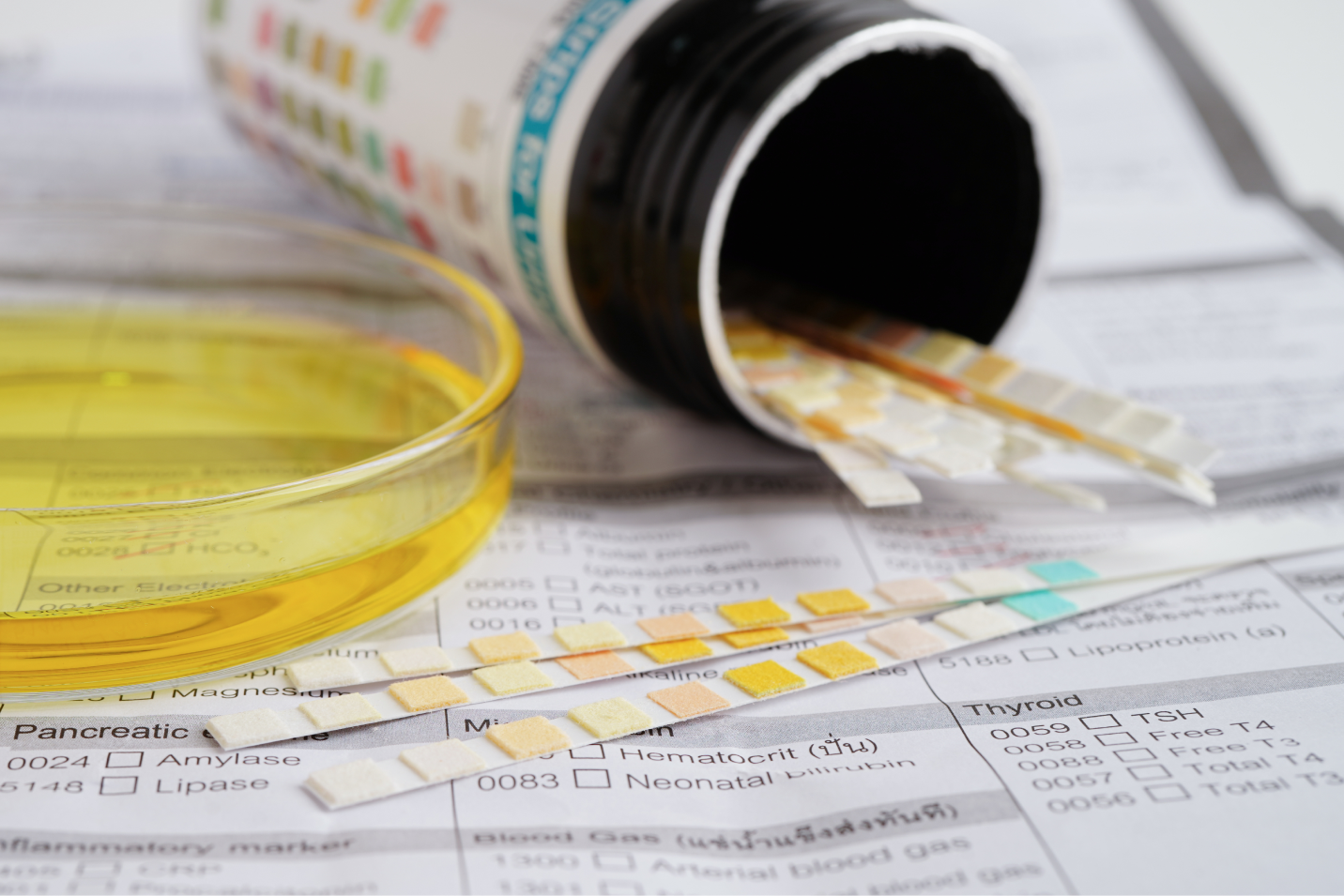
Your candidate just failed a drug test, and they're insisting it was "only CBD gummies." Your hiring manager wants to rescind the offer. Your legal team wants to know what your policy actually says about CBD. And you're stuck in the middle, trying to figure out whether a legal supplement can really trigger a positive result on an employment drug screen. If this scenario sounds familiar, you're not alone. With CBD products now available at gas stations, grocery stores, and wellness boutiques across the country, HR professionals need a clear understanding of how long CBD stays in your system, why it matters for workplace drug testing, and what your organization should do about it.
Disclaimer: This content is provided for informational purposes only and should not be construed as legal advice. Employers should consult qualified counsel regarding their specific drug testing policies and applicable state or federal regulations.
Key Takeaways
Before we get into the details, here's a quick summary of what HR professionals and CBD users need to know about detection windows:
- Urine tests can detect THC metabolites (which may be present from full-spectrum CBD products) for roughly 3 to 30 days after last use, depending on frequency and dosage. For occasional users, the window is typically on the shorter end. Chronic, daily users may test positive for several weeks.
- Blood tests generally detect CBD for up to one week after use. The terminal elimination half-life of CBD following a single oral dose is approximately 14 to 17 hours, according to peer-reviewed research on CBD pharmacokinetics published in Frontiers in Pharmacology.
- Hair follicle tests can reveal CBD exposure for up to 90 days (approximately three months), making them the longest detection window of any standard testing method.
- Product type matters. Full-spectrum CBD products contain trace amounts of THC (up to 0.3% under federal law), and those trace amounts can accumulate with regular use, potentially triggering a positive drug test result.
- Individual factors like metabolism, body fat percentage, hydration, and dosage all influence how quickly CBD clears the body.
Understanding these timelines isn't just useful for individuals who use CBD. It's essential knowledge for HR teams designing drug testing policies that are both compliant and fair.
Understanding CBD and Its Journey in the Body
CBD, short for cannabidiol, is one of over 100 cannabinoids found in the cannabis plant. Unlike THC (tetrahydrocannabinol), CBD does not produce psychoactive effects. It won't make someone feel "high." That distinction is important because it's the primary reason millions of Americans use CBD products for wellness purposes while assuming they're in the clear for workplace drug testing.
The 2018 Farm Bill legalized hemp-derived CBD products containing less than 0.3% THC at the federal level. Since then, the CBD market has expanded significantly. That growth means more of your candidates and employees are likely using some form of CBD, whether it's an oil, a gummy, a topical cream, or a CBD-infused beverage.
Here's the catch for HR professionals: most standard employment drug tests don't screen for CBD itself. They screen for THC metabolites. But many CBD products, particularly full-spectrum formulations, contain enough THC to accumulate in the body over time and potentially produce a positive result.
What Happens When You Consume CBD?
When someone takes CBD orally, whether as an oil, tincture, gummy, or capsule, it passes through the digestive system and is metabolized by the liver. The liver's cytochrome P450 enzyme system breaks CBD down into metabolites, which are then distributed throughout the body via the bloodstream. Some of these metabolites are stored in fat tissue, which is why body composition plays a role in how long CBD (and any accompanying THC) remains detectable.
Inhaled CBD, such as from vaping or smoking a CBD cigarette, enters the bloodstream much faster through the lungs. Peak blood concentrations occur within minutes rather than the one to two hours typical of oral consumption. However, faster absorption also means faster elimination for single-use scenarios.
How Long Does CBD Stay in Your Urine?
Urine testing is by far the most common method used in employment drug screening. According to the Substance Abuse and Mental Health Services Administration (SAMHSA) Mandatory Guidelines for Federal Workplace Drug Testing Programs, urine immunoassay tests are the standard initial screening method for most federally mandated and private-sector drug testing programs. That makes urine detection windows the most relevant data point for HR professionals.
Important distinction
Standard employment urine drug screens test for THC metabolites, not CBD itself. The detection windows below reflect how long THC metabolites — which may be present from full-spectrum CBD products — remain detectable.
Typical Detection Windows
For someone who uses CBD once or only occasionally, urine tests may detect THC metabolites for approximately three to five days after use. Moderate users, those taking CBD several times per week, may show detectable levels for one to two weeks. Daily or heavy users can test positive for 15 to 30 days or even longer after stopping use.
These ranges are estimates. The standard immunoassay cutoff for THC metabolites in workplace urine testing is 50 ng/mL for the initial screen, with a confirmatory GC-MS test at 15 ng/mL, per the SAMHSA Mandatory Guidelines for Federal Workplace Drug Testing Programs.
Factors Influencing Urine Detection
Hydration levels can influence the concentration of metabolites in urine, though drinking excessive water before a test is not a reliable strategy for avoiding detection. More significant factors include the frequency of use, the total dosage consumed, and whether the product was a CBD isolate (containing no THC) or a full-spectrum product (containing up to 0.3% THC). Body mass index also plays a role because cannabinoids are lipophilic (fat-soluble), meaning they bind to fat cells and release slowly over time.
How Long Does CBD Stay in Your Blood?
Blood tests are less common in employment screening but are sometimes used in post-accident investigations or reasonable-suspicion testing in certain industries. Note that DOT-regulated testing programs use urine (and, as of 2023, oral fluid) rather than blood testing. Blood tests offer a shorter detection window than urine tests, which makes them more useful for identifying recent use rather than historical patterns.
Blood Test Detection Times
CBD is typically detectable in blood for one to seven days after use. Research suggests that the terminal elimination half-life of CBD following a single oral dose ranges from approximately 14 to 17 hours, according to peer-reviewed research on CBD pharmacokinetics published in Frontiers in Pharmacology. After multiple half-lives, the compound drops below detectable thresholds. For a single use, CBD may clear the bloodstream within 24 to 48 hours. For chronic daily users, blood detection may extend to a full week.
Inhaled CBD reaches peak blood concentration faster but also declines more rapidly. A person who vaped CBD once might clear it from their blood within a day, while someone taking high-dose oral CBD daily could remain positive on a blood test for several days after their last dose.
Variables Affecting Blood Retention
Metabolic rate is the primary driver. Individuals with faster metabolisms process and eliminate CBD more quickly. Age, liver function, and concurrent medication use can all affect how efficiently the liver metabolizes cannabinoids. Dosage is equally important: higher doses mean more compound to process, which extends the elimination timeline.
A Note on Oral Fluid Testing
Oral fluid (saliva) testing is increasingly relevant for HR professionals. As of 2023, the Department of Transportation authorized oral fluid testing as an alternative to urine testing for DOT-regulated programs. Oral fluid tests typically detect THC metabolites for 24 to 72 hours after use, offering a detection window similar to blood testing. For employers in DOT-regulated industries, this is an important development to discuss with your screening provider and legal counsel.
How Long Does CBD Stay in Your Hair?
Hair follicle testing represents the longest detection window available in standard drug screening. It's used less frequently than urine testing in most employment contexts, but it appears in certain industries and for certain safety-sensitive positions.
Hair Follicle Test Insights
Hair tests can detect substances for up to 90 days, or roughly three months, after use. As blood circulates through the scalp, trace amounts of drug metabolites are deposited into the hair follicle and become embedded in the hair shaft as it grows. The standard hair test analyzes the most recent 1.5 inches of hair growth, which corresponds to approximately 90 days of history based on an average growth rate of about half an inch per month.
For CBD specifically, hair testing is not commonly used to screen for cannabidiol itself. However, if a full-spectrum CBD product introduces THC metabolites into the bloodstream, those metabolites can be deposited in hair just like any other substance.
Factors That Affect Hair Test Results
Hair growth rate varies among individuals, which can slightly shift the detection window. Hair treatments, including bleaching, dyeing, and certain shampoos, may degrade some metabolites in the hair shaft, though they are not reliable methods for avoiding detection. Environmental contamination, such as secondhand exposure to cannabis smoke, has been debated as a potential source of false positives, though confirmatory testing methods are designed to distinguish between external contamination and systemic use.
How Different CBD Products Affect Detection Times
Not all CBD products are created equal when it comes to drug test risk. The type of product, its CBD concentration, and its THC content all influence how long it stays in the body and whether it poses a risk for a positive drug screen.
CBD oils and tinctures are typically taken sublingually (under the tongue), which allows for relatively fast absorption through the mucous membranes. How long CBD oil stays in your system depends heavily on whether it's a full-spectrum, broad-spectrum, or isolate product, and on the dosage.
CBD gummies and edibles must pass through the digestive system and liver before entering the bloodstream. This "first-pass metabolism" reduces the overall bioavailability of CBD, meaning less of the active compound reaches circulation. However, the effects and detectability tend to last longer because the absorption is gradual.
CBD cigarettes and vapes deliver CBD through the lungs, resulting in the fastest absorption and highest peak blood levels. While inhaled CBD clears the bloodstream relatively quickly after a single use, the higher peak concentrations can extend detection in frequent users.
CBD drinks and seltzers generally contain lower doses of CBD (often 10 to 25 mg per serving) and follow the oral absorption pathway. They tend to have shorter detection windows compared to high-dose oils or frequent smoking, but the same accumulation principles apply with regular consumption.
CBD creams and topicals are the lowest risk for drug test detection. Because topical CBD is absorbed through the skin and primarily acts locally, very little enters systemic circulation. Most experts agree that standard topical CBD use is unlikely to produce a positive drug test, though transdermal patches designed for systemic delivery are a different matter.
Factors Affecting How Long CBD Stays in Your System
Beyond the product type, several individual factors determine how long CBD remains detectable.
A person's basal metabolic rate influences how quickly their body processes and eliminates CBD. Younger individuals and those who are more physically active tend to metabolize cannabinoids faster.
Body fat percentage is particularly relevant because CBD and THC metabolites are fat-soluble. Individuals with higher body fat percentages may retain metabolites longer, as the compounds are stored in adipose tissue and released gradually.
Liver health and function also matter. Because CBD is metabolized by the liver's cytochrome P450 enzyme system, any condition or medication that affects liver enzyme activity can speed up or slow down CBD elimination. Frequency and dosage remain perhaps the most significant factors overall. A one-time user of a low-dose CBD product faces a very different detection timeline than someone who takes high doses of full-spectrum CBD daily.
CBD and Drug Tests: What HR Teams Need to Know
The question isn't just how long CBD stays in the body. It's whether CBD use can cause a positive result on an employment drug test, and what your organization's obligations are when that happens.
Can CBD Cause a Positive Drug Test?
CBD itself typically won't trigger a positive result, but the THC in many CBD products can. Standard workplace drug panels, including the SAMHSA-5 panel used in federally mandated testing, screen for THC metabolites (specifically 11-nor-9-carboxy-THC), not for CBD. Pure CBD isolate products that contain zero THC should not cause a positive result.
However, the CBD market is not tightly regulated by the FDA. This means that even a candidate who believes they're using a THC-free product may unknowingly be consuming enough THC to fail a drug screen.
For DOT-regulated employers, the situation is even more clear-cut. The Department of Transportation (DOT) has stated explicitly that CBD use is not a legitimate medical explanation for a positive drug test result. DOT-regulated employees who test positive for THC metabolites will face the consequences outlined in federal regulations, regardless of whether the source was a CBD product.
Minimizing Detection Risk
For individuals concerned about upcoming drug tests, the most reliable strategies include choosing CBD isolate products verified by third-party lab testing (with a Certificate of Analysis confirming zero THC), discontinuing use well in advance of any anticipated test, and being cautious about the source and labeling accuracy of any CBD product. There is no proven method to rapidly flush CBD or THC metabolites from the body.
Actionable Steps for HR Professionals
Whether you're building a new drug testing policy or updating an existing one to account for widespread CBD use, here are concrete steps to consider:
- Review your drug testing policy language. Make sure your policy clearly addresses CBD and hemp-derived products. Specify whether your organization tests for THC only, or whether any cannabinoid use is prohibited.
- Understand your state's laws on CBD and marijuana. A growing number of states have enacted protections for off-duty marijuana use or restrict adverse employment actions based on positive THC tests for non-safety-sensitive positions. Multi-state employers face a patchwork of rules that demand careful attention.
- Distinguish between DOT and non-DOT testing programs. If you employ DOT-regulated workers (commercial drivers, pipeline workers, aviation personnel), federal rules apply regardless of state law, and CBD is not an acceptable explanation for a positive THC result. For non-regulated positions, you have more flexibility.
- Educate your workforce. Consider adding information about CBD and drug testing to your employee handbook, onboarding materials, or wellness communications. Many employees genuinely don't realize that a legal CBD product could cause them to fail a workplace drug test.
- Use a PBSA-certified screening provider. Working with a screening provider that understands current federal and state drug testing regulations ensures your drug testing program is compliant with FCRA requirements, state-specific rules, and industry best practices.
- Establish a clear adverse action process. If a candidate or employee tests positive and claims CBD use as the cause, your adverse action process must still comply with the FCRA and any applicable state or local laws governing drug testing procedures and adverse employment actions. This means providing pre-adverse action notice, a copy of the test results, a summary of rights, and a reasonable waiting period before making a final decision.
- Consult legal counsel regularly. The intersection of CBD legality, marijuana decriminalization, and employment drug testing is evolving rapidly. Annual policy reviews with employment counsel help ensure your program keeps pace with legislative changes.
The AccuSourceHR Advantage
Managing the overlap of CBD, drug testing, and employment law takes more than surface-level research. It requires a screening partner that stays ahead of regulatory changes and helps you build a program that protects both your organization and your candidates.
At AccuSourceHR, our in-house counsel-led compliance team monitors federal, state, and local developments in drug testing law so you don't have to track every legislative session yourself. As a PBSA-certified screening provider and founding member of the Professional Background Screening Association, we bring the compliance rigor that multi-state employers need. Our SourceDirect™ platform integrates with major ATS and HCM systems, making it straightforward to manage drug testing alongside background checks in a single workflow. And our 100% US-based support team, staffed by FCRA-certified professionals, is available to help you interpret results, understand your obligations, and respond to candidate inquiries with confidence.
From rethinking your drug testing panels to updating policies around CBD, our team is ready to help you build a program that holds up under scrutiny.
Have a CBD or drug testing policy question your team is working through? Contact our team directly to discuss your specific situation.