
12 min read
5-Panel Drug Test: Substances Tested, Cutoffs & Employer Guide 2026
 AccuSourceHR, Inc.
:
May 8, 2026 5:17:29 AM
AccuSourceHR, Inc.
:
May 8, 2026 5:17:29 AM
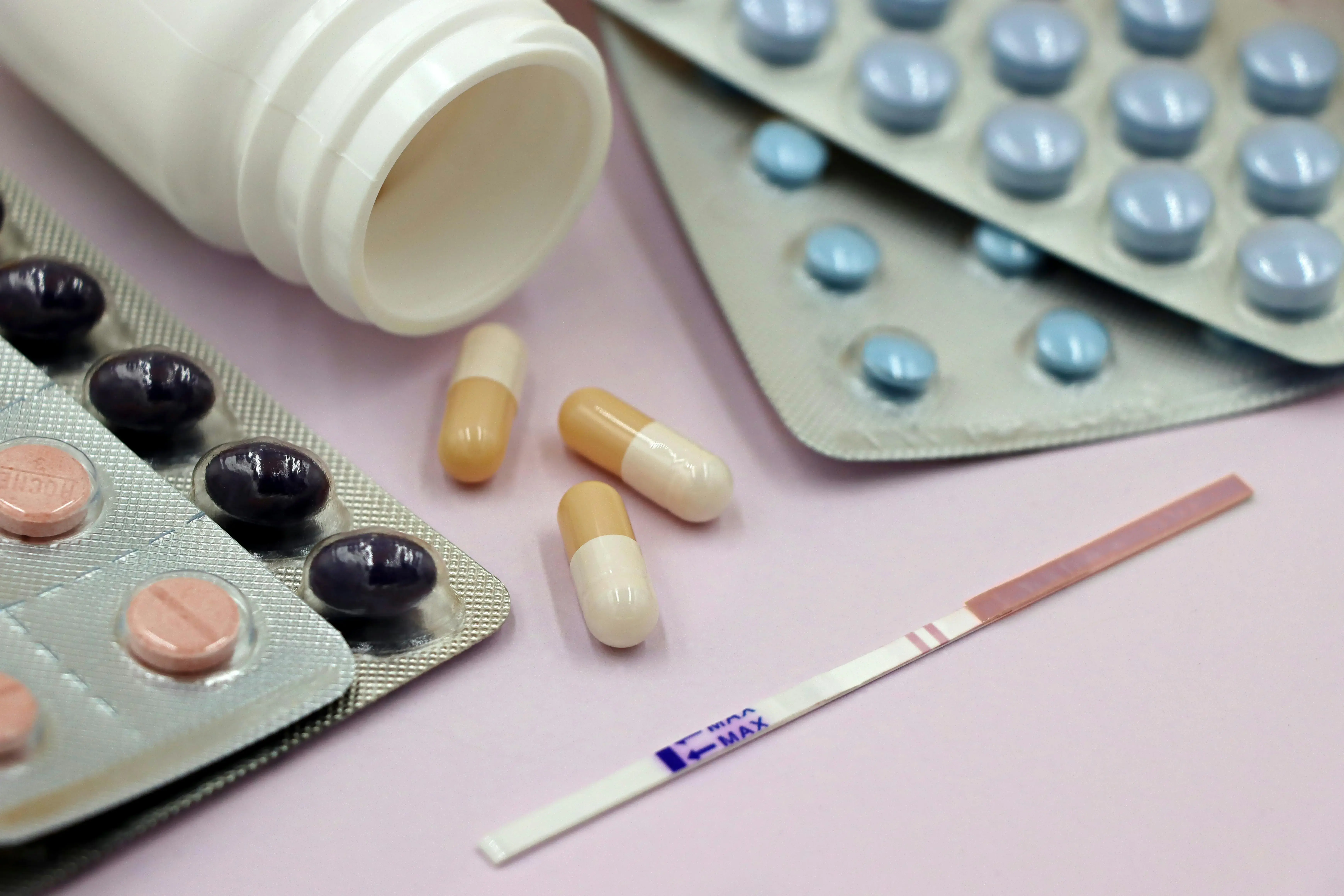
You're building out your company's drug testing program, and you've landed on the 5-panel drug test as your starting point. Good instinct. It's the most widely used drug screening panel among both government agencies and private employers in the United States. But here's where it gets complicated: choosing the right panel is only the first decision. You still need to understand what substances are covered, how cutoff levels work, what detection windows mean for your testing timeline, and how state and federal regulations shape your policies. Get any of those wrong, and you're looking at compliance gaps, disputed results, or worse, a preventable workplace safety incident.
Disclaimer: This content is provided for informational purposes only and should not be construed as legal advice. Employers should consult qualified counsel for their specific situation.
This guide breaks down everything HR professionals and safety officers need to know about the standard 5-panel screening in 2026, from the specific substances screened to the practical steps for building a compliant, defensible testing program.
Key Takeaways
- The standard 5-panel screening checks for five specific substance categories: marijuana (THC), cocaine, opiates (codeine, morphine, heroin), amphetamines/methamphetamines, and phencyclidine (PCP).
- Cutoff levels determine whether a test is reported as positive or negative. Understanding these thresholds helps employers interpret results accurately and reduces the risk of challenged outcomes.
- Detection windows vary by specimen type. Urine, hair, saliva, and blood tests each offer different lookback periods, and choosing the right specimen type depends on your program's goals.
- DOT-regulated employers must follow specific federal guidelines for the 5-panel screening, including mandatory use of urine specimens and federally established cutoff concentrations.
- State marijuana legalization laws are reshaping employer drug testing policies. Even though THC remains on the standard panel, some jurisdictions now restrict employers from taking adverse action based on a positive marijuana result for non-safety-sensitive positions.
- A well-designed drug testing program is part of a broader workplace safety strategy, not a standalone compliance checkbox.
Understanding the 5-Panel Drug Test
The 5-panel drug test has been the backbone of workplace drug screening since the federal government established its drug-free workplace requirements in the late 1980s. According to the Substance Abuse and Mental Health Services Administration (SAMHSA): federal workplace drug testing standards, the 5-panel urine drug test remains the standard for federally mandated testing programs. Private employers have widely adopted the same panel because it covers the substance categories most commonly associated with workplace impairment and safety risk.
A urine drug test only detects past drug use within a defined detection window. It cannot determine whether a person is currently impaired or unfit for duty at the time of the test.
This is explicitly acknowledged in toxicology literature and federal guidance:
-
Workplace urine testing (including THC‑COOH testing) does not document impairment or even recent use, particularly for marijuana. It detects inactive metabolites that may remain long after psychoactive effects have ended.
-
The American Society of Addiction Medicine (ASAM), whose guidance is referenced by SAMHSA, states that drug tests measure the presence of substances within a window of time, not functional or cognitive impairment.
-
DOT regulations themselves make no claim that urine testing measures impairment; instead, they rely on reasonable suspicion observations and post‑accident context to address impairment concerns.
What Is a 5-Panel Drug Test?
A 5-panel drug test is a screening that analyzes a biological specimen for the presence of five categories of controlled substances. The specimen is most commonly urine, though hair, saliva, and blood can also be used depending on the employer's needs and applicable regulations.
The test works in two stages. The initial screen uses immunoassay technology to flag specimens that exceed established cutoff concentrations. Any specimen that screens positive at the initial stage is then sent for confirmatory testing, typically using gas chromatography-mass spectrometry (GC-MS) or liquid chromatography-tandem mass spectrometry (LC-MS/MS). This two-step process is designed to minimize false positives and give employers confidence in reported results.
This screening is used across virtually every industry, from office environments conducting pre-employment screens to construction firms running random testing programs. It's also the specific panel required by the U.S. Department of Transportation (DOT): 5-panel drug test requirements for safety-sensitive positions, which we'll cover in more detail below.
What Does a 5-Panel Drug Test Test For?
The five substance categories on a standard panel are:
- Marijuana (THC): The test detects delta-9-tetrahydrocannabinol-9-carboxylic acid (THC-COOH), the primary metabolite of marijuana. This remains on the panel despite the wave of state legalization laws, a tension we'll address shortly.
- Cocaine: The test screens for benzoylecgonine, the primary metabolite of cocaine. Cocaine metabolites are typically detectable in urine for two to four days after use, though heavy use can extend that window.
- Opiates: The standard panel screens for codeine, morphine, and in many configurations, heroin (detected as 6-acetylmorphine). For non‑DOT testing, the standard opiate screen does not typically detect semi‑synthetic or synthetic opioids; however, DOT‑regulated 5‑panel testing includes expanded opioid analytes such as oxycodone and hydrocodone.
- Amphetamines/Methamphetamines: This category covers amphetamine, methamphetamine, and in many panels, MDMA (ecstasy). Prescription medications like Adderall can trigger an initial positive, which is why the confirmatory testing and Medical Review Officer (MRO) review process is so important.
- Phencyclidine (PCP): While PCP use has declined significantly from its peak decades ago, it remains on the standard panel because of the severe impairment and unpredictable behavior it causes.
Pro Tip: If your industry involves exposure to synthetic opioids or if fentanyl is a concern in your region, the standard 5 may not be sufficient. Talk to your screening provider about expanded panels (7-panel, 10-panel, or custom configurations) that add substances relevant to your workforce.
Does a 5-Panel Drug Test Screen for Marijuana?
Yes. THC remains a standard component of the 5-panel screening, including the DOT-mandated version. However, the legal landscape around marijuana testing has shifted dramatically. As of early 2026, a growing number of states and municipalities have enacted laws that restrict or prohibit employers from taking adverse employment action based solely on a positive marijuana test for non-safety-sensitive roles.
The Nuance: Federal law still classifies marijuana as a Schedule I controlled substance, and DOT-regulated employers are required to test for it regardless of state law. But for non-DOT employers, the calculus is more complicated. States like California, New York, and Washington have enacted protections for off-duty marijuana use, while others have carved out exceptions for safety-sensitive positions.
The Impact: If you're a multi-state employer, your marijuana testing policy may need to vary by jurisdiction. A blanket "zero tolerance" approach that worked five years ago could now expose you to discrimination claims in certain states. This is exactly the kind of compliance question where working with a knowledgeable screening partner and qualified legal counsel pays dividends.
Cutoff Levels and Their Implications
Not every trace of a substance in a specimen triggers a positive result. Drug tests use established cutoff concentrations to distinguish between a meaningful positive and trace-level presence that could result from incidental exposure or other non-use scenarios. Understanding how cutoffs work is essential for HR professionals who need to explain results, defend policies, and make informed decisions about their testing programs.
What Are Cutoff Levels?
A cutoff level is the minimum concentration of a substance (or its metabolite) that must be present in a specimen for the test to be reported as positive. Concentrations below the cutoff are reported as negative, even if some amount of the substance is technically present.
SAMHSA establishes the cutoff levels for federally mandated workplace drug testing programs. For the standard 5 urine screening, the initial immunoassay screen cutoffs are:
|
Substance |
Initial Screen Cutoff |
Confirmatory Cutoff |
|---|---|---|
|
Marijuana (THC-COOH) |
50 ng/mL |
15 ng/mL |
|
Cocaine (Benzoylecgonine) |
150 ng/mL |
100 ng/mL |
|
Opiates (Codeine/Morphine) |
2000 ng/mL |
2000 ng/mL |
|
Amphetamines |
500 ng/mL |
250 ng/mL |
|
PCP |
25 ng/mL |
25 ng/mL |
These cutoffs are based on DOT Rule 49 CFR Part 40. Private employers that are not subject to federal mandates can choose to adopt these same cutoffs or work with their testing laboratory to establish different thresholds, though any deviation from SAMHSA standards should be done carefully and with legal guidance.
Implications for Employers
Did You Know: Cutoff levels can vary based on the testing method used. Hair, saliva, and blood tests each have their own cutoff concentrations, which are different from urine cutoffs. This means the same individual could test positive on one specimen type and negative on another, depending on the timing of use and the cutoffs applied.
For employers, the practical implications of cutoff levels include:
- False negatives: If a cutoff is set too high, the test may miss recent or low-level use. This is a concern in safety-sensitive environments where any impairment poses a risk.
- False positives at the screen level: Immunoassay screens can cross-react with certain over-the-counter medications or foods. This is why confirmatory testing and MRO review exist, to catch these situations before a result is reported to the employer.
- Policy defensibility: Using cutoff levels established by the U.S. Department of Health and Human Services (HHS) and published and administered by the Substance Abuse and Mental Health Services Administration (SAMHSA) provides employers with a defensible, science‑based standard for workplace drug testing.
Detection Windows for Each Substance
One of the most common questions HR professionals ask is: how far back does a 5-panel screening go? The answer depends entirely on the specimen type. Each testing method offers a different detection window, and choosing the right one depends on whether you're trying to detect very recent use, establish a pattern of use, or meet a specific regulatory requirement.
Urine Tests
The 5-panel urine screening is by far the most common specimen type for workplace testing. It's the only specimen type accepted for DOT-regulated testing, and it offers a practical balance between detection window, cost, and ease of collection. Detection windows are approximate and can vary based on dose, frequency of use, individual metabolism, and test sensitivity.
Detection Times for Urine
|
Substance |
Approximate Detection Window |
|---|---|
|
Marijuana (THC) |
3–30 days (varies significantly with frequency of use) |
|
Cocaine |
2–4 days |
|
Opiates |
2–3 days |
|
Amphetamines |
2–4 days |
|
PCP |
7–14 days |
Marijuana has the widest detection range because THC metabolites are fat-soluble and accumulate in the body with repeated use. A single-use event might be detectable for only a few days, while chronic daily use can produce positive results for 30 days or longer after cessation.
Hair Tests
Hair testing offers the longest detection window of any specimen type, typically covering approximately 90 days of history. The test analyzes a small hair sample (usually 1.5 inches from the scalp) for drug metabolites incorporated into the hair shaft via the bloodstream.
Detection Times for Hair
|
Substance |
Approximate Detection Window |
|---|---|
|
Marijuana (THC) |
Up to 90 days |
|
Cocaine |
Up to 90 days |
|
Opiates |
Up to 90 days |
|
Amphetamines |
Up to 90 days |
|
PCP |
Up to 90 days |
Hair testing is particularly useful for identifying patterns of repeated use, but it has limitations. Hair testing reflects historical drug use patterns and does not indicate current impairment or very recent use. It generally cannot detect use that occurred within the most recent 7 to 10 days (because it takes time for metabolites to grow out of the scalp), and there are ongoing discussions in the scientific community about potential bias related to hair color and texture.
Saliva and Blood Tests
Oral fluid (saliva) testing has gained traction in recent years because of its convenience and its ability to detect very recent use. Blood testing is the most invasive and expensive option and is rarely used for routine workplace screening, though it may be employed in post-accident investigations.
Detection Times for Saliva and Blood
|
Substance |
Saliva Detection Window |
Blood Detection Window |
|---|---|---|
|
Marijuana (THC) |
24–72 hours |
2–12 hours (active THC) |
|
Cocaine |
1–2 days |
12–24 hours |
|
Opiates |
1–3 days |
6–12 hours |
|
Amphetamines |
1–3 days |
12–24 hours |
|
PCP |
1–3 days |
24–48 hours |
Oral fluid testing is especially relevant in states that have moved to restrict marijuana testing based on urine results. Some state laws now specify that employers may only test for active impairment rather than past use, which makes oral fluid's shorter detection window more aligned with legislative intent.
The DOT 5-Panel Drug Test
Employers in transportation, aviation, pipeline, rail, and other DOT-regulated industries don't have the luxury of choosing their panel or specimen type. The DOT 5-panel drug test is governed by 49 CFR Part 40, which mandates urine testing for the same five substance categories, using SAMHSA-established cutoff levels, through a DOT-certified laboratory, and with review by a qualified MRO.
The Nuance: DOT testing requirements apply to safety-sensitive employees regardless of state marijuana laws. Even if your company operates in a state where recreational marijuana is legal, any employee subject to DOT testing who tests positive for THC will be removed from safety-sensitive duties.
The Impact: Employers who operate both DOT-regulated and non-regulated positions need to maintain separate, clearly documented policies for each group. Applying DOT standards to non-regulated employees (or failing to apply them to regulated employees) can create compliance problems in either direction.
Can a 5-Panel Drug Test Detect Fake Urine?
This is a question that comes up more often than many HR professionals expect. The short answer is that the drug test itself doesn't "detect" fake urine, but the collection and laboratory processes are designed to identify issues with specimen validity.
Laboratories perform specimen validity testing (SVT) on every urine specimen, checking for temperature (at the time of collection), creatinine concentration, specific gravity, pH, and the presence of known adulterants or oxidizing agents. A specimen that falls outside normal human physiological ranges will be reported as "substituted" or "invalid" rather than negative, which triggers further action under most employer policies.
DOT collections have particularly strict protocols: direct observation collections may be required in certain circumstances, and collectors are trained to identify suspicious behavior. For non-DOT employers, working with a screening provider that uses SAMHSA-compliant or equivalent laboratory protocols is the best defense against specimen fraud.
Best Practices for Employers
A drug testing program only delivers results if it's designed, implemented, and maintained properly. A poorly constructed program can generate legal exposure, damage employee trust, and produce results that don't hold up under scrutiny.
Implementing a 5-Panel Drug Testing Program
- Define your testing triggers. Decide which situations will require testing: pre-employment, post-accident, reasonable suspicion, random, return-to-duty, and follow-up. Each trigger has different legal considerations depending on your state and industry.
- Select your specimen type. For most employers, urine remains the default. If you want a longer lookback period, consider adding hair testing. If your state restricts marijuana testing to active impairment, oral fluid may be more appropriate.
- Establish your panel and cutoffs. Start with the standard 5-panel and SAMHSA cutoffs unless your industry, risk profile, or state law calls for something different. Document your rationale for any deviations.
- Choose a certified laboratory. Use a laboratory that is certified by SAMHSA (for federally mandated testing) or accredited by the College of American Pathologists (CAP) for non-regulated testing. Your screening provider should be able to confirm laboratory credentials.
- Engage a qualified MRO. Every confirmed positive result should be reviewed by a Medical Review Officer before it's reported to the employer. The MRO contacts the donor to determine whether there is a legitimate medical explanation (such as a valid prescription) for the positive result.
- Draft a clear, written policy. Your drug testing policy should be reviewed by legal counsel, distributed to all employees, and acknowledged in writing. It should cover the substances tested, the circumstances that trigger testing, the consequences of a positive result or refusal to test, and the employee's rights throughout the process.
Legal and Ethical Considerations
Drug testing sits at the intersection of workplace safety, employee privacy, and a rapidly changing legal environment. Multi-state employers face particular challenges because drug testing laws vary not only by state but increasingly by city and county.
Key legal considerations include:
- State-specific restrictions on marijuana testing: A growing number of states limit when and how employers can use marijuana test results. Some prohibit pre-employment marijuana testing entirely for non-safety-sensitive roles.
- ADA and prescription medication: The Americans with Disabilities Act prohibits discrimination based on the lawful use of prescription medication. Your MRO process is the primary safeguard here, but your policy language matters too.
- Adverse action procedures: If a positive drug test result leads to a decision not to hire or to terminate an employee, some states require specific notice and appeal procedures beyond those covered by the MRO process.
- Employee Assistance Programs (EAPs): Many employers offer EAP referrals as part of their drug-testing policies, particularly for current employees. This demonstrates a commitment to employee well-being and can reduce legal risk.
Pro Tip: Consult with legal experts who specialize in employment law. A policy that's compliant in Texas may violate employee protections in New York or California.
Integrating Drug Testing into Workplace Safety Programs
A drug testing program works best when it's not an isolated HR function but part of a broader commitment to workplace safety. Employees are more likely to accept testing when they understand it as one component of a safety culture that also includes training, hazard prevention, and support resources.
Creating a Comprehensive Safety Plan
Your drug testing program should connect to your overall safety strategy. This means aligning testing triggers with your safety risk assessment. For example, if your workplace involves heavy machinery, post-accident and reasonable suspicion testing should be non-negotiable components. If your workforce is primarily office-based, pre-employment testing may be sufficient.
Consider pairing your testing program with supervisor training on recognizing signs of impairment and with clear protocols for reasonable suspicion documentation. A supervisor who can articulate specific, observable behaviors that prompted a reasonable suspicion test creates a much stronger defensible record than one who relies on a "gut feeling."
Communicating Policies to Employees
Transparency builds trust. Communicate your drug testing policy during onboarding, include it in your employee handbook, and revisit it during annual safety training. Explain not just the "what" (we test for these substances under these circumstances) but the "why" (we're committed to keeping everyone safe on the job).
When policy changes occur, whether because of a new state law, an updated panel, or a change in testing triggers, communicate those changes proactively and give employees a reasonable window to review and acknowledge the updated policy.
Actionable Steps for HR Professionals
- Audit your current program against state law. Review your drug testing policy state by state, paying particular attention to marijuana testing restrictions, pre-employment testing limitations, and adverse action requirements. If you operate in more than a handful of states, this audit is worth doing at least annually.
- Confirm your laboratory and MRO credentials. Verify that your testing laboratory holds current SAMHSA certification or CAP accreditation, and that your MRO is board-certified and experienced in workplace drug testing. These credentials are your first line of defense if a result is ever challenged.
- Evaluate whether the 5-panel is sufficient for your risk profile. The standard panel covers the foundational substance categories, but it doesn't detect synthetic opioids like fentanyl, oxycodone, or hydrocodone. If opioid misuse is a concern in your industry or region, discuss expanded panel options with your screening provider.
- Train your supervisors. Reasonable suspicion testing is only as strong as the supervisor's documentation. Invest in training that teaches supervisors to identify and document observable signs of impairment, and make sure they know the proper chain of custody for initiating a test.
- Review your adverse action process. A positive drug test result that leads to a hiring or employment decision must follow applicable procedures. Ensure your process includes MRO review, any state-required notice periods, and documentation of the decision rationale.
- Communicate proactively with candidates and employees. Make your drug testing policy visible early in the hiring process and accessible to current employees. Surprises erode trust and can create legal vulnerabilities.
- Partner with a screening provider who stays current. Drug testing regulations are a moving target. Your provider should be alerting you to relevant legal changes, not the other way around.
The AccuSourceHR Advantage
Building and maintaining a compliant drug testing program across multiple states and regulatory frameworks is genuinely complex work. At AccuSourceHR, our PBSA-certified, FCRA-certified team works alongside an in-house counsel-led compliance team to help employers design testing programs that meet both federal and state requirements. Whether you need a standard 5, an expanded panel, DOT-compliant testing, or guidance on navigating marijuana legalization in your operating states, we bring the expertise and the infrastructure to support you.
Our SourceDirect™ platform integrates drug testing orders and results directly into your hiring workflow, with connections to major ATS and HCM systems including Workday, Greenhouse, iCIMS, BambooHR, UKG, and more. And because we believe service matters as much as technology, our 100% US-based support team answers calls live, responds to inquiries within two hours, and works to fully resolve issues within six hours.